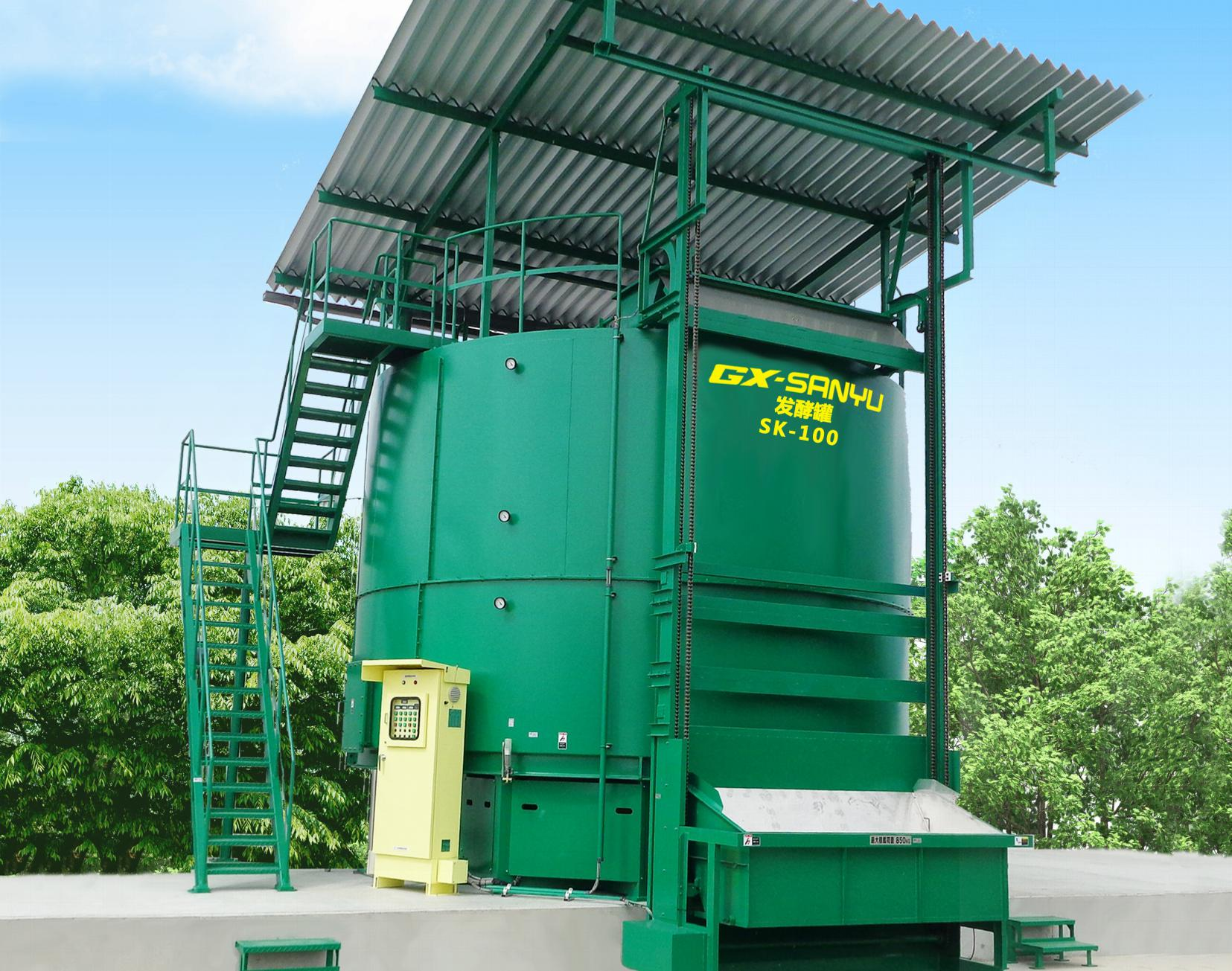
| Core Principle | Biological fermentation. Uses beneficial microbes at high temperature (60-80°C) to decompose organic matter into stabilized humus. | Tail-gas drying. Physically dehydrates poultry manure through evaporation using waste heat from combustion. |
| Treatment Cycle | 7-15 days for complete harmless treatment and composting. | Typically 48 hours. Moisture content drops from 65-80% to below 30%. |
| Inlet Moisture | Handles raw manure at 60-70% moisture directly. | Requires pre-dried material — moisture must be below 60% before feeding. |
| Final Output | Fully stabilized, high-quality organic fertilizer. Nutrients (N, P, K) are readily absorbed by crops. Safe for direct application. | Dried poultry manure. Unfermented organic matter — cannot be directly absorbed by plants. Direct field application causes "seedling burn". Requires further composting. |
| Sterilization & Harmlessness | Continuous 60-80°C fermentation for 5-7 days effectively kills most pathogens, parasite eggs, and weed seeds. | Drying at ambient temperature does NOT eliminate pathogens, eggs, or weed seeds. Material remains hazardous. |
| Environmental Performance | Closed system with dedicated deodorization. Waste gas is treated before discharge — low secondary pollution risk. | No deodorization unit. Drying process releases strong odors and dust. Significant impact on surrounding environment. |
| Climate Adaptability | Tank insulation and auxiliary heating enable stable operation year-round in both high and low temperature climates. | Strongly affected by ambient conditions. In humid southern climates, high air humidity significantly reduces drying efficiency. |